
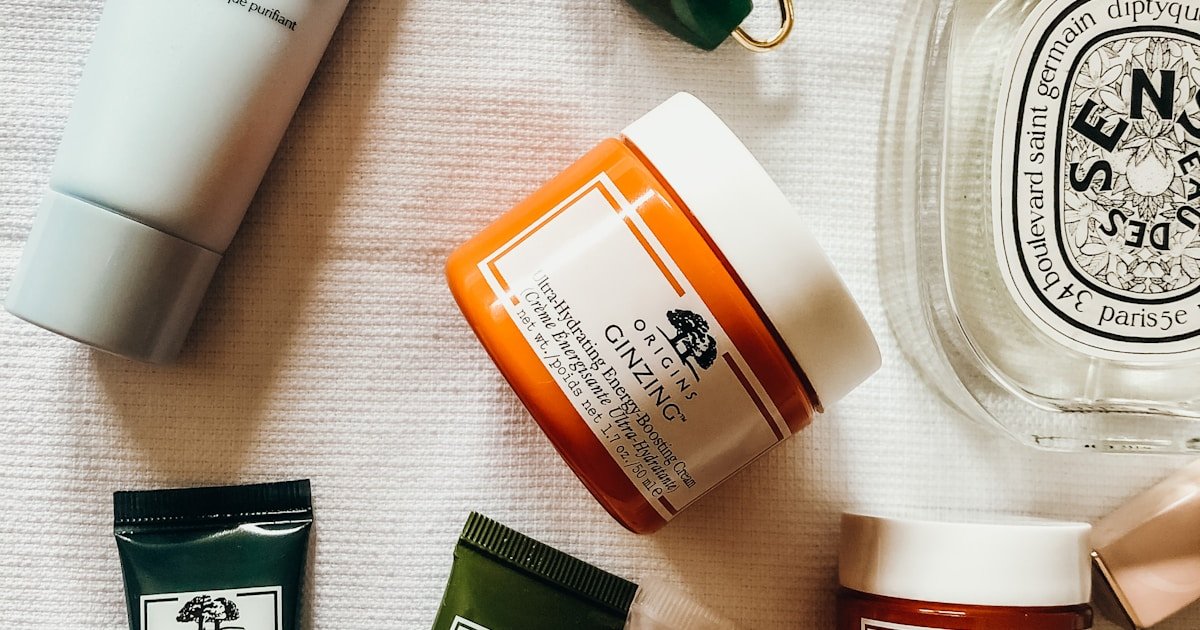
The 10-step skincare routine is officially done. Not declining — done. The industry that spent a decade convincing people to layer twelve products on their faces in a specific sequence is now quietly walking it back. Cosmetics Business calls it the “skinvestment” era: treating your skin as a long-term investment rather than a surface to be conquered with products. The shift sounds subtle. The implications are significant — especially for the millions of people who have been buying skincare products because an influencer used them, not because the science supports them.
What “Glass Skin 2.0” Actually Means
The glass skin aesthetic — that luminous, reflective look that dominated beauty for the last three years — is evolving into something more substantive. The industry is now calling it “post-glass skin”: not just looking hydrated on the surface but actually being healthy underneath. Barrier repair has replaced hydration as the primary skincare goal. This distinction matters because these are different interventions. A compromised skin barrier can be hydrated on the surface and still deteriorate. Rebuilding the barrier changes the skin’s ability to protect itself — and that is a result that lasts.
The ingredients driving this shift are not glamorous but they are genuinely effective. Beta-glucan — from oats and mushrooms — is the barrier-hero ingredient of the year. Polynucleotides (the active in Rejuran treatments from Korea) are moving from clinic to consumer product, offering regenerative results that once required professional procedures. Microbiome-supporting actives — probiotics, postbiotics, and prebiotics formulated for topical use — are the fastest-growing ingredient category in skincare right now.
The K-Beauty Correction
Korean beauty dominated global skincare for a decade, and in 2026 consumers are becoming selective rather than wholesale adopters. The 10-step routine was always a marketing construct, not a dermatological recommendation, and educated consumers have caught up with this. What is surviving the correction: gentle, skin-respecting formulations; the glass skin aesthetic; ingredient-forward product development. What is being questioned: complexity for its own sake.
For Indian consumers, the K-Beauty correction is actually a correction toward something better. Indian skin — different melanin content, different sebum production, different specific concerns around hyperpigmentation and UV exposure — never fully benefited from skincare designed for Korean skin in a Korean climate. Skin-type specific, outcome-focused routines serve Indian users better than the one-size-fits-all approach ever did.
AI Is Now Building Your Skincare Routine
AI-assisted skin analysis via smartphone camera is achieving accuracy that previously required a dermatologist consultation. For markets with limited dermatologist access — most of India outside metro cities, much of MENA and Africa — this democratisation of personalised skincare advice is genuinely transformative. The era of buying what a celebrity uses on Instagram is being replaced by tools that analyse your specific skin, climate, and concerns and recommend accordingly. The 10-year high for AI beauty tool searches reflects real demand, not hype.
KickassOpinion Verdict
The skincare industry is finally moving in a sensible direction. Fewer products, better formulations, barrier focus over surface gloss, personalisation over trend-chasing. For anyone building a routine from scratch: gentle cleanser, barrier-supporting moisturiser, SPF 50. Add vitamin C in the morning and retinol at night. That is the entire evidence base. Everything else is commerce dressed as science. Skincare Direction Rating: 9/10 — finally.