
Japan has appeared on every travel list for years — and for good reason. But the specific conditions that make Japan exceptional value right now are financial, not just cultural, and they may not persist. The yen has remained at historically weak levels against major currencies through 2025 and into 2026, making Japan significantly more affordable for visitors spending dollars, rupees, pounds, or euros than at any point in recent decades. For Indian travellers, the rupee-yen exchange rate in 2026 means Japan is genuinely comparable in daily cost to a mid-range European city — a comparison that would have been unthinkable five years ago.
What Weak Yen Actually Means in Practice
A Michelin-starred ramen bowl in Tokyo costs approximately ₹400-600. A night at a mid-range business hotel in Osaka runs ₹3,500-5,000. The Shinkansen bullet train between Tokyo and Kyoto — one of the great travel experiences on earth — costs approximately ₹3,200 each way. A 7-day Japan Rail Pass, which gives unlimited travel across the entire Shinkansen network, costs approximately ₹25,000 — less than an equivalent rail pass in Western Europe and covering far more remarkable distances and destinations. Book the JR Pass through the official Japan Rail Pass site or through authorised India sellers before departure — it cannot be purchased inside Japan.
Tokyo Michelin restaurants that would cost $300+ per person in New York come in at ₹4,000-8,000 per person in 2026. The value arbitrage is real and it applies across accommodation, food, transport, and experiences in a way that genuinely changes the financial calculus of visiting Japan versus other premium destinations.
The Overtourism Reality
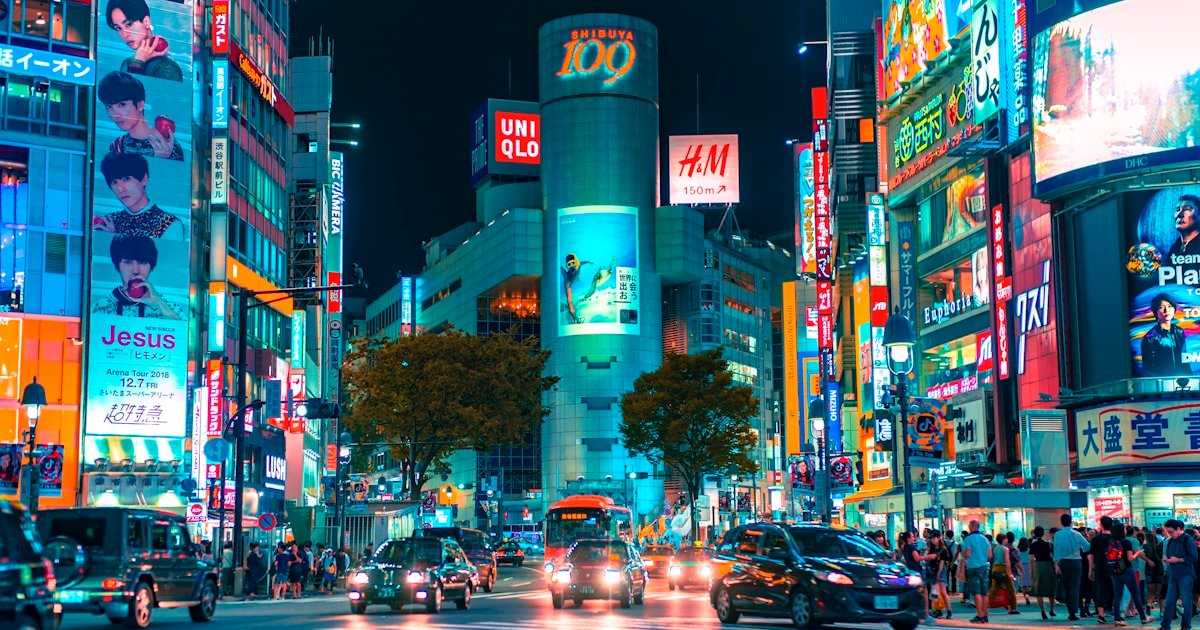
Japan’s popularity has created genuine overtourism in specific spots — the Fushimi Inari gates in Kyoto at 10 AM, the famous Fuji view with Mount Fuji in the background, Shibuya crossing at peak hours. The response has been intelligent: Japan has introduced new visitor dispersal programmes, crowd management tools, and in some areas visitor limits that are actually working. The practical advice is to go slightly off-peak — September and October remain exceptional, with post-summer crowds gone and autumn foliage arriving. Visit famous sites at dawn rather than midday. And beyond the obvious — Tokyo, Kyoto, Osaka — Japan’s lesser-visited cities like Kanazawa, Hiroshima, and Matsumoto deliver comparable cultural richness at a fraction of the footfall.
India to Japan Logistics
Direct flights from Delhi to Tokyo (Narita and Haneda) operate on Air India and ANA. From Mumbai, IndiGo and Japan Airlines offer connecting options via regional hubs. Compare fares on Skyscanner and Ixigo — October-November trips booked now offer some of the best value fares of the year. Japanese visa for Indian nationals is available through the Embassy of Japan in India — processing takes approximately 5-7 working days and the documentation requirements are straightforward for salaried professionals.
KickassOpinion Verdict
Japan right now is arguably the best value premium travel destination in the world for Indian travellers. The culture, the food, the transport infrastructure, the safety, and the sheer visual beauty of the country are extraordinary — and the weak yen means you are experiencing all of it at a discount that may not be available indefinitely. Book now for autumn. Also read our guide to 10 places worth travelling to right now for more options. Japan Right Now Rating: 10/10 — as good as it gets.